
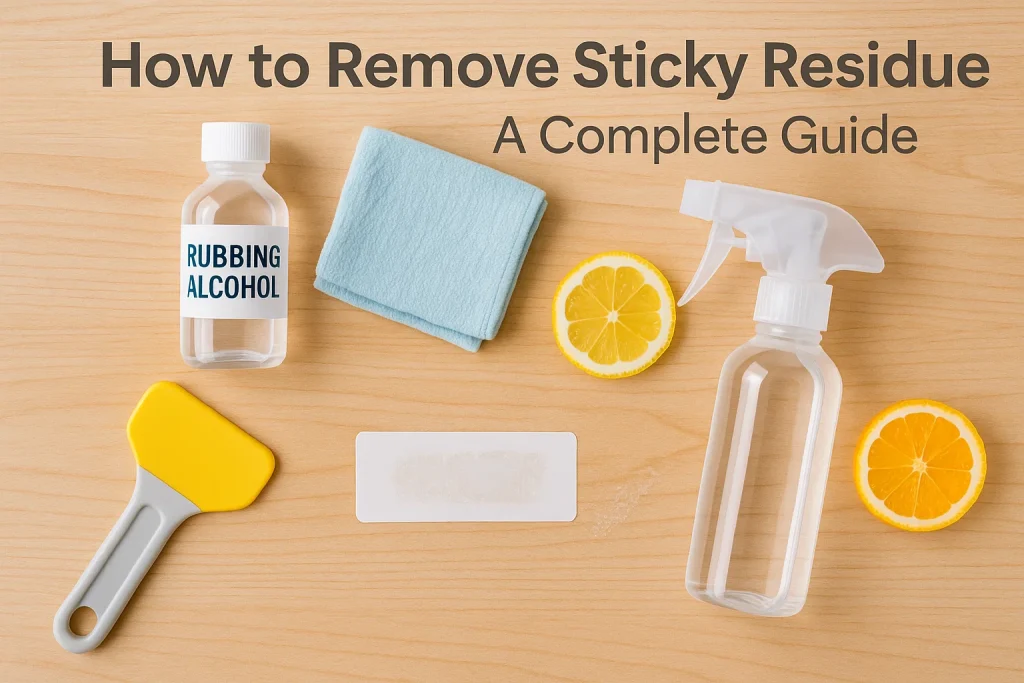
Sticky residue is a common and frustrating issue in many households. Whether it comes from stickers, tape, glue, labels, or food spills, residue can cling to surfaces and attract dirt, dust, and bacteria. In this article, we’ll show you how to remove sticky residue effectively using both natural and commercial cleaning solutions. This guide is tailored for American households and written in American English, offering practical tips and safe product recommendations.
Why Sticky Residue Happens and Why It’s Hard to Remove
Sticky substances often contain adhesives, sugars, oils, or synthetic compounds designed to bond to surfaces. Over time, exposure to heat or pressure can make these materials more stubborn and harder to remove.
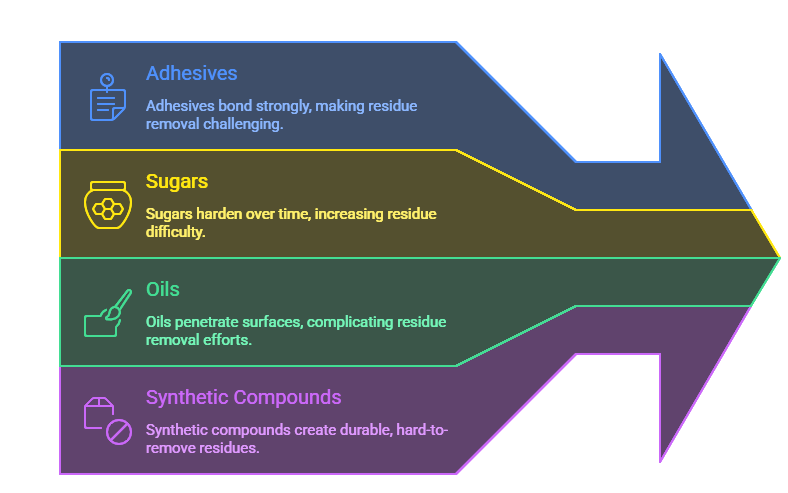
Sticky residue is commonly left behind by:
- Price tags or barcode labels
- Adhesive tape or bandages
- Glue from craft projects
- Food spills like syrup or honey
- Waxes or personal care products
Depending on the surface, the wrong cleaning method could cause damage or leave behind a cloudy or stained appearance. That’s why it’s important to use the right method for each situation.
Daily Cleaning: Removing Mild Sticky Residue
For light or fresh residue, a simple cleaning solution may be enough.
What you’ll need:
- Mild dish soap
- Warm water
- Microfiber cloth or sponge
Steps:
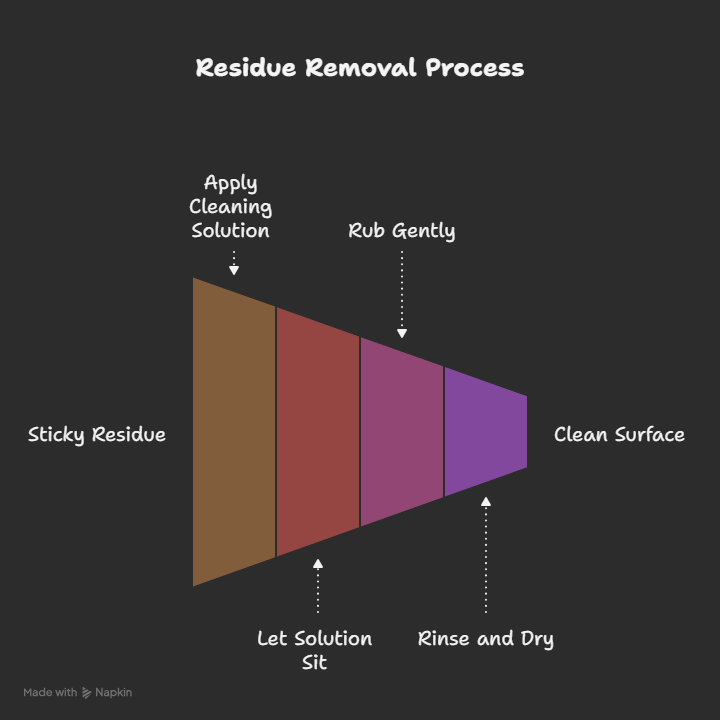
- Mix dish soap with warm water in a small bowl.
- Dip your cloth into the soapy solution and gently press it onto the sticky area.
- Let it sit for 3–5 minutes to loosen the adhesive.
- Wipe in circular motions, then rinse with a clean damp cloth.
- Dry with a microfiber towel.
This method works well on sealed wood, glass, plastic, ceramic, and countertops.
Removing Tough Residue and Adhesive Buildup
If you’re dealing with hardened glue, sticker adhesive, or greasy buildup, try one of the following deeper cleaning solutions.
1. White Vinegar
Vinegar is a gentle solvent that breaks down adhesive bonds.
Steps:
- Apply white vinegar directly to the sticky area using a cloth or spray bottle.
- Allow it to sit for 5–10 minutes.
- Rub gently with a cloth or sponge.
- Rinse with warm water and dry the surface.
Note: Do not use vinegar on natural stone surfaces like marble or granite, as it may etch the finish.
2. Rubbing Alcohol (Isopropyl Alcohol)
Rubbing alcohol is effective at dissolving many commercial adhesives and dries quickly without leaving streaks.
Steps:
- Apply rubbing alcohol to a cotton ball or clean cloth.
- Rub the sticky spot in small circles.
- Let the alcohol work for a few minutes.
- Wipe clean and dry.
Ideal for use on glass, plastic, electronics, and metal.
3. Baking Soda and Oil Paste
This method is gentle and effective for sticker residue and dried glue.
Steps:
- Mix equal parts baking soda and cooking oil (such as coconut or olive oil) to create a paste.
- Spread the paste over the residue and let it sit for 10–15 minutes.
- Use a soft cloth to rub off the residue.
- Wipe the area clean with soapy water and dry thoroughly.
Safe for use on plastic, glass, metal, and sealed wood surfaces.
4. Commercial Adhesive Removers
For stubborn residue, commercial products are often the most effective option.
Common products:
- Goo Gone
- Goof Off
- WD-40 (also acts as a degreaser)
Steps:
- Apply a small amount to the sticky area.
- Let it sit for 1–3 minutes.
- Gently scrape or wipe away the softened residue.
- Wash the surface with soap and water to remove any leftover cleaner.
Always test on a small hidden area first to ensure it won’t damage the surface.
Natural Cleaning Alternatives
If you prefer eco-friendly options or want to avoid chemicals, the following household items can help:
- Lemon juice: Breaks down sticky residue and adds a fresh scent.
- Mayonnaise: Some people use a thin layer to soften adhesive, especially on metal.
- Peanut butter: Contains natural oils that can loosen residue—wipe off thoroughly afterward.
- Club soda: Works well on glass and mirrors to remove light adhesives and leave a clean finish
Always rinse surfaces after using food-based cleaners to avoid residue or attracting pests.
What Not to Use on Sticky Residue
To prevent surface damage, avoid using:
- Metal scrapers, which can scratch finishes.
- Abrasive sponges or steel wool, especially on glass, wood, and plastic.
- Acetone or nail polish remover on painted or plastic surfaces, as it can dissolve finishes.
- Bleach, which is ineffective for adhesives and can discolor or damage surfaces.
Always work slowly and gently, testing your cleaning solution on an inconspicuous spot first.
Step-by-Step Quick Reference
- Test the surface with your chosen method.
- For light residue, start with warm soapy water.
- Use vinegar or alcohol for tougher adhesives.
- Apply a baking soda and oil paste for sticky buildup.
- For very stubborn spots, use a commercial adhesive remover.
- Rinse and dry the area thoroughly after cleaning.
Recommended Products
Effective and safe adhesive removers available in most U.S. stores include:
- Goo Gone Original Spray Gel
- WD-40 Multi-Use Product
- Goof Off Adhesive Remover
- 3M Adhesive Remover
- Simple Green All-Purpose Cleaner
Each of these is suitable for specific surfaces, so be sure to follow manufacturer instructions.
Long-Term Care Tips
- Remove stickers and tape as soon as possible to prevent long-term residue buildup.
- Avoid placing adhesives on porous or sensitive surfaces.
- Keep adhesive removers and natural solutions like vinegar or baking soda on hand for quick clean-ups.
- Use microfiber cloths instead of paper towels to avoid scratching or spreading residue.
Final Thoughts
Sticky residue might seem like a minor inconvenience, but if left untreated, it can attract dirt, damage surfaces, or leave permanent stains. Fortunately, with the right approach and a few household ingredients or specialty products, most sticky messes are easy to clean. Whether you’re removing sticker labels from new purchases, cleaning up craft glue, or tackling tape marks on walls, these techniques will help restore your surfaces quickly and safely. With regular care and the right cleaning habits, you can keep your home looking clean, polished, and residue-free.
For more helpful cleaning solutions, trust the experts at Clean & Co—your partner in smarter, safer home care.