
Stainless steel is a favorite in many American households. From kitchen appliances and cookware to sinks and fixtures, its sleek, modern appearance makes it a popular choice. But while it looks great, stainless steel also tends to show fingerprints, smudges, and water spots. If you’ve ever wondered how to clean stainless steel without damaging the surface or losing its shine, this complete guide is for you.
We’ll walk you through daily cleaning methods, deep-cleaning tips, safe product recommendations, and long-term care—all using safe and practical techniques that actually work.
Why Stainless Steel Gets Dirty Easily
Although stainless steel is durable and corrosion-resistant, it’s not immune to buildup. It shows streaks, fingerprints, and grime more easily than many surfaces because of its smooth, reflective finish.
Common causes of stainless steel messes include:
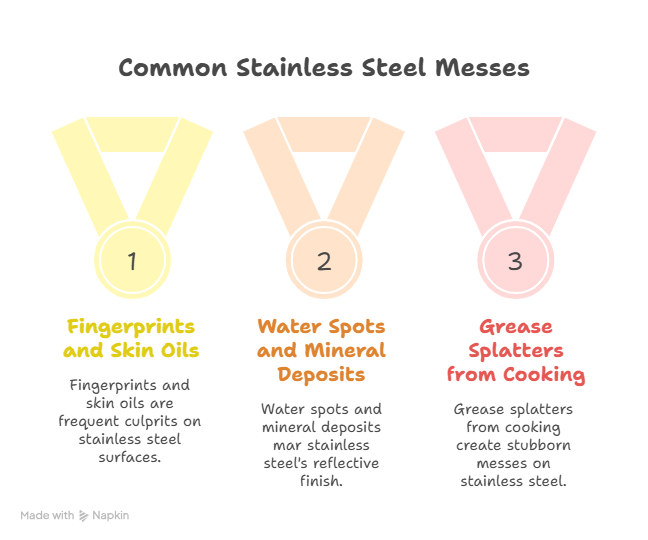
- Fingerprints and skin oils
- Water spots and mineral deposits
- Grease splatters from cooking
- Soap scum in bathrooms
- Food residue or acidic spills
Cleaning stainless steel the wrong way can leave streaks or scratches, which is why it’s important to use proper tools and techniques. Best Stainless Steel Cleaners.
Daily Cleaning: How to Clean Stainless Steel Safely
For light dirt, fingerprints, or water spots, daily cleaning is easy and takes just a few minutes.
What You’ll Need:
- Microfiber cloth
- Mild dish soap
- Warm water
- Spray bottle (optional)
Steps:
- Mix a few drops of mild dish soap with warm water.
- Dampen a microfiber cloth with the solution.
- Wipe the surface in the direction of the grain to avoid streaking.
- Rinse the cloth with clean water and wipe again to remove soap residue.
- Dry with a second microfiber cloth for a streak-free finish.
This method is safe for all types of stainless steel appliances and fixtures, including refrigerators, ovens, sinks, and dishwashers.
How to Remove Stubborn Stains and Grease
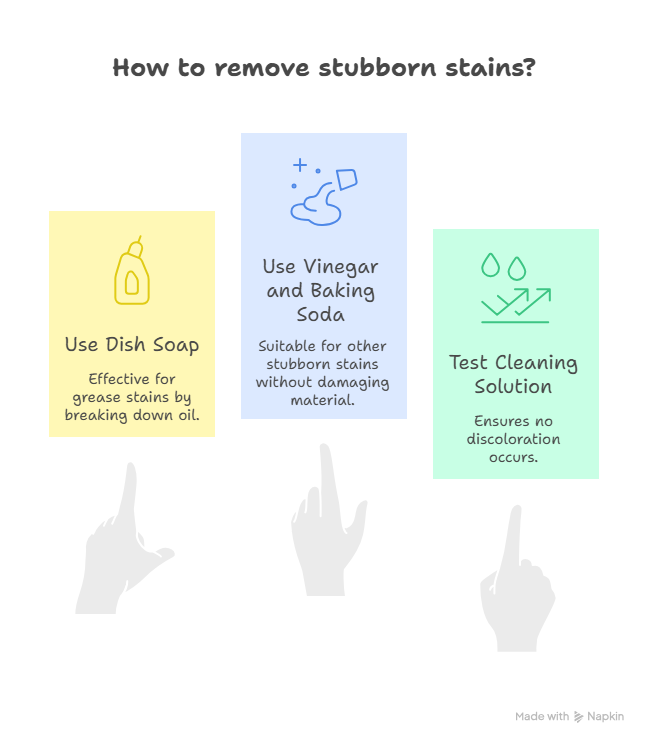
Sometimes daily cleaning isn’t enough, especially for dried-on food, grease buildup, or water marks.
1. White Vinegar for Water Spots
Vinegar is a natural, effective cleaner for hard water stains.
Steps:
- Spray white vinegar directly onto the surface.
- Let sit for 2–3 minutes.
- Wipe with a soft cloth in the direction of the grain.
- Rinse with water and dry thoroughly.
Note: Avoid using vinegar on stone countertops or near grout.
2. Baking Soda for Stains
Baking soda is a gentle abrasive that can lift stains without scratching.
Steps:
- Mix baking soda with water to form a paste.
- Apply to stained area with a soft cloth.
- Rub gently along the grain.
- Rinse and dry with a clean towel.
Perfect for sinks, cookware, and burnt spots.
3. Rubbing Alcohol for Fingerprints
Isopropyl alcohol cuts through oils and evaporates quickly.
Steps:
- Apply rubbing alcohol to a soft cloth.
- Wipe the affected area.
- Dry with a microfiber cloth.
Ideal for appliance surfaces and handles.
Best Commercial Products to Clean Stainless Steel
Sometimes, a specialized cleaner offers the best results—especially when you want a streak-free shine or protective coating.
Recommended stainless steel cleaners:
- Clean Co Stainless Steel Polish – Removes grime and adds a protective layer.
- Weiman Stainless Steel Cleaner & Polish
- Therapy Stainless Steel Cleaner & Polish
- Bar Keepers Friend Soft Cleanser – For tough stains on cookware and sinks.
Always follow product instructions and test on a hidden spot first.
Natural Cleaning Alternatives
Prefer a chemical-free approach? These natural solutions also work well on stainless steel:
- Olive oil or coconut oil – Use a drop to buff and shine the surface after cleaning.
- Lemon juice – Cuts grease and adds a fresh scent (rinse well after use).
- Club soda – Spray and wipe for a quick clean on fingerprinted areas.
Just be sure to rinse thoroughly and avoid food-based cleaners on areas prone to attracting pests.
What Not to Use on Stainless Steel
To keep your stainless steel looking its best, avoid the following:
- Steel wool or abrasive scrubbers (they cause scratches)
- Chlorine bleach (can cause corrosion)
- Oven cleaners
- Hard water left to dry on the surface
- Abrasive powders (unless labeled safe for stainless steel)
Always use soft cloths and non-abrasive cleaners.
Quick Step-by-Step Recap
- Wipe with soapy water daily.
- Use white vinegar for water stains.
- Try baking soda paste for tougher spots.
- Rubbing alcohol removes fingerprints.
- Buff with oil or polish for shine.
- Avoid harsh chemicals and abrasives.
Long-Term Stainless Steel Care Tips
- Clean regularly to prevent buildup.
- Wipe spills immediately to avoid staining.
- Always dry the surface after cleaning to prevent water spots.
- Use polish occasionally to maintain shine and protect against smudges.
- Store microfiber cloths nearby for quick daily touch-ups.
Learn More About Stainless Steel Care
- Stainless Steel Care Tips – The Spruce
- Understanding Stainless Steel – The Stainless Steel Information Center
- How to Remove Sticky Residue
Final Thoughts
Learning how to clean stainless steel properly helps preserve its beauty and extend its lifespan. Whether you’re wiping down kitchen appliances or deep cleaning your sink, using the right method makes all the difference. From simple soap and water to polish and natural alternatives, Clean Co has the tools and knowledge you need to keep your home shining.
Looking for safe, effective stainless steel cleaning solutions?
Trust Clean Co for premium products that work hard—so you don’t have to.