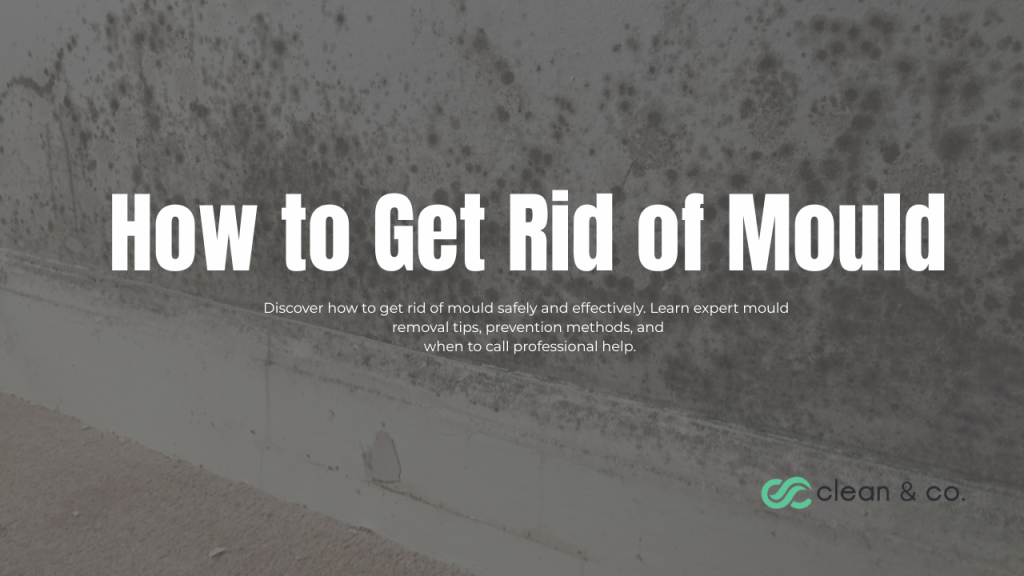
Mould is one of the most common household problems, and it can quickly become a nightmare if left untreated. Whether it’s black mould on bathroom tiles, green mould on ceilings, or hidden patches growing behind furniture, mould not only damages your home but can also pose serious health risks. That’s why knowing how to get rid of mould effectively is essential for maintaining a clean and healthy living space.
At Clean & Co, we understand the frustration that comes with battling mould. In this guide, we’ll walk you through everything you need to know about mould removal: what causes it, how to get rid of it safely, and how to prevent it from coming back.
What is Mould and Why Does It Grow?
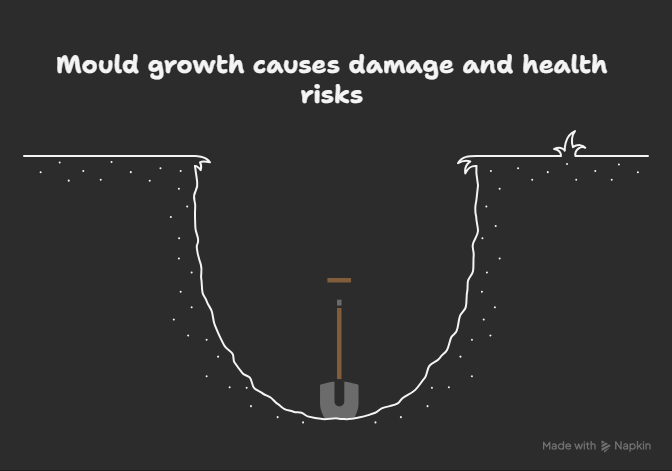
Mould is a type of fungus that thrives in damp, humid, and poorly ventilated environments. It spreads through tiny spores that are invisible to the naked eye and can settle on almost any surface. Common areas where mould grows include:
- Bathrooms (on tiles, grout, and ceilings)
- Kitchens (around sinks and windows)
- Basements (due to high humidity and poor ventilation)
- Bedrooms (behind wardrobes, on walls, and even on soft furnishings)
- Laundry rooms (where moisture levels are high)
The main causes of mould growth are:
- Excess humidity
- Poor ventilation
- Water leaks or dampness
- Condensation on cold surfaces
Understanding these causes is the first step in learning how to get rid of mould permanently.
Why is Mould a Problem?
Before we get into the solutions, it’s important to understand why mould should never be ignored.
1. Health Risks
Mould can trigger allergies, asthma, respiratory infections, and skin irritation. Black mould, in particular, is known for its toxic effects and can be dangerous if not removed.
2. Damage to Property
Mould eats away at surfaces, causing stains, discolouration, and even structural damage over time.
3. Bad Odours
Mould has a musty smell that can linger and make your home feel unclean, no matter how often you tidy up.
How to Get Rid of Mould: Step-by-Step
Now, let’s dive into the most important part: how to remove mould effectively. Depending on the size and severity of the problem, you can either tackle it yourself or call in professional mould removal experts like Clean & Co.
Step 1: Identify the Affected Areas
Look for visible signs of mould – black, green, or white patches on walls, ceilings, tiles, or furniture. Don’t forget hidden spots like behind curtains, under carpets, or inside cupboards.
Step 2: Protect Yourself
Mould spores can be harmful if inhaled. Always wear:
- Gloves
- A face mask
- Safety goggles
This will reduce your exposure to mould and cleaning chemicals.
Step 3: Choose Your Mould Removal Method
Here are some effective ways to get rid of mould at home:
1. Vinegar
- Spray undiluted white vinegar directly onto the mouldy surface.
- Leave it for at least 1 hour.
- Scrub with a brush and rinse with warm water.
- Repeat if necessary.
2. Baking Soda
- Mix one teaspoon of baking soda with two cups of water.
- Spray onto the mould and scrub.
- Rinse with water and spray again to prevent regrowth.
3. Hydrogen Peroxide (3%)
- Spray directly onto the mouldy area.
- Leave for 10–15 minutes.
- Scrub and wipe clean.
4. Commercial Mould Cleaners
There are many mould removers available in stores. Always read the instructions carefully and ensure the product is safe for the surface you’re cleaning.
Pro Tip: Never mix cleaning solutions like vinegar and bleach together, as this can produce toxic fumes.
Step 4: Dry the Area Thoroughly
Moisture is mould’s best friend. Use fans, open windows, or a dehumidifier to ensure the area is completely dry.
Step 5: Dispose of Contaminated Materials
If mould has penetrated porous materials like carpets, wallpaper, or fabrics, it’s often safer to dispose of them rather than trying to clean them.
How to Get Rid of Mould on Specific Surfaces
Different surfaces require slightly different approaches:
- Bathroom Tiles & Grout – Use vinegar or a bleach solution to scrub away mould. Reseal grout if necessary.
- Walls & Ceilings – Spray with vinegar or mould cleaner. Avoid over-wetting plaster. Repaint with anti-mould paint if damage is severe.
- Wooden Furniture – Use vinegar or diluted rubbing alcohol. Dry immediately to prevent warping.
- Fabric & Upholstery – Wash with hot water and detergent. For delicate items, seek professional cleaning.
How to Prevent Mould from Coming Back
Knowing how to get rid of mould is only half the battle – preventing it from returning is key.
1. Improve Ventilation
- Open windows regularly.
- Use extractor fans in bathrooms and kitchens.
- Keep furniture slightly away from walls to allow airflow.
2. Control Humidity
- Use a dehumidifier in damp rooms.
- Keep indoor humidity below 60%.
- Dry clothes outside where possible.
3. Fix Leaks Quickly
Any leaking taps, roofs, or pipes should be repaired immediately to stop water damage.
4. Insulate Your Home
Proper insulation reduces condensation, which is a major cause of mould.
5. Regular Cleaning
Wipe down surfaces prone to moisture, especially in bathrooms and kitchens.
When to Call a Professional Mould Removal Service
While DIY mould removal works for small patches, larger infestations or stubborn black mould require professional help.
Call Clean & Co mould removal experts if:
- The mould covers an area larger than 1m².
- You notice recurring mould despite cleaning.
- Mould has spread inside walls, ceilings, or HVAC systems.
- You experience persistent health issues linked to mould exposure.
Professionals use specialised equipment, such as HEPA vacuums and industrial-grade cleaners, to remove mould safely and prevent it from coming back.
Final Thoughts
Mould may be a common household issue, but with the right approach, you can eliminate it and prevent it from returning. Whether you choose natural remedies like vinegar and baking soda, or opt for professional mould removal services, the key is tackling the root cause – moisture and poor ventilation.
If you’ve been struggling with stubborn mould and want a safe, long-lasting solution, Clean & Co is here to help. Our expert team specialises in mould removal and prevention, ensuring your home stays fresh, clean, and healthy.