
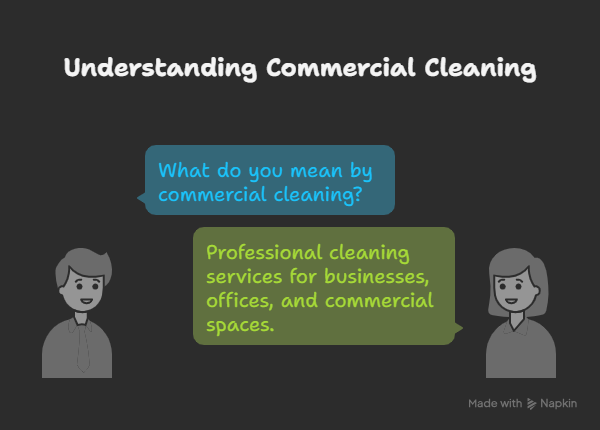
If you’ve ever walked into a spotless office, a gleaming retail store, or a well-maintained restaurant, chances are you’ve experienced the results of commercial cleaning services. But what do you mean by commercial cleaning? In simple terms, commercial cleaning refers to professional cleaning services designed specifically for businesses, offices, and commercial spaces, rather than residential properties.
In today’s fast-paced business world, maintaining a clean, hygienic, and welcoming workplace isn’t just about appearance—it’s also about health, productivity, and creating a positive first impression. Let’s dive deeper into what commercial cleaning really means, why it matters, and how it benefits businesses of all sizes.
Definition of Commercial Cleaning
At its core, commercial cleaning involves the professional maintenance and cleaning of commercial properties such as:
- Offices
- Retail stores
- Restaurants and cafes
- Warehouses and factories
- Hotels and hospitality facilities
- Schools, universities, and childcare centers
- Medical and healthcare facilities
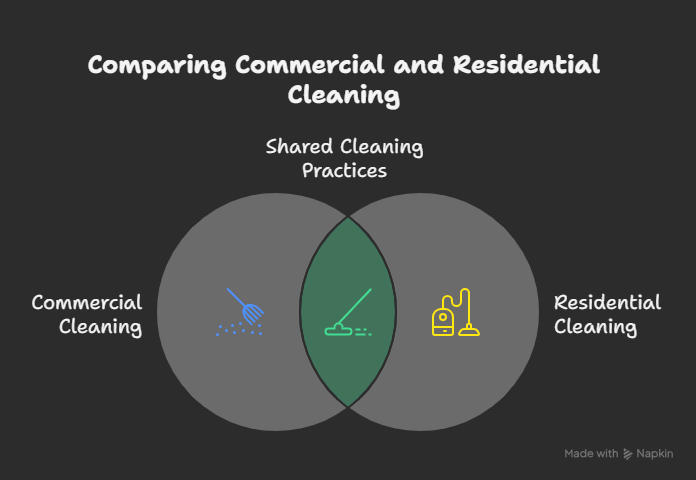
Unlike residential cleaning, which typically focuses on homes and small apartments, commercial cleaning requires specialized equipment, industrial-grade cleaning products, and trained cleaning staff to handle larger spaces and higher cleaning standards.
Key Features of Commercial Cleaning
When businesses search for “What do you mean by commercial cleaning?”, they often want to know what makes it different from everyday cleaning. Here are some defining features:
1. Scale and Scope
Commercial spaces are usually larger and more complex than homes. For example, cleaning a corporate office building may involve dozens of rooms, meeting halls, restrooms, and common areas.
2. Specialized Services
Commercial cleaning companies provide more than just vacuuming and dusting. Their services may include:
- Carpet and upholstery cleaning
- Window cleaning (interior and exterior)
- Deep sanitization
- Floor care (stripping, waxing, polishing)
- Waste disposal
- High-pressure washing
- Restroom sanitation
3. Health and Safety Compliance
Many industries, especially healthcare, hospitality, and food services, are subject to strict hygiene regulations. Professional commercial cleaners ensure compliance with these standards to keep both employees and customers safe.
4. Use of Industrial-Grade Equipment
From high-powered vacuums to eco-friendly disinfectants, commercial cleaning companies use advanced tools and products that deliver deeper, longer-lasting cleanliness.
Why Is Commercial Cleaning Important?
Understanding what commercial cleaning means is incomplete without knowing why it matters. Here are some crucial benefits:
1. Creates a Positive First Impression
A clean office or retail space reflects professionalism. Clients, partners, and visitors are more likely to trust and engage with businesses that prioritize cleanliness.
2. Improves Employee Productivity
Research shows that employees are more motivated and focused in clean, organized environments. Dust, clutter, and unsanitary conditions can lead to distractions and lower morale.
3. Reduces Sick Days
Workplaces are hotspots for bacteria and viruses. Regular sanitization and disinfection help prevent the spread of illnesses, reducing absenteeism.
4. Protects Assets and Equipment
Dust and grime can shorten the lifespan of office equipment, carpets, and furniture. Routine commercial cleaning preserves assets, saving money in the long run.
5. Ensures Compliance
Industries such as healthcare and food services must comply with strict hygiene laws. A professional cleaning company ensures that these requirements are met.
Types of Commercial Cleaning Services
When businesses ask “What do you mean by commercial cleaning?”, they’re often curious about the different types of services available. Here are the most common categories:
1. Office Cleaning
Daily or weekly cleaning of office spaces, including dusting, vacuuming, sanitizing workstations, and maintaining restrooms.
2. Industrial Cleaning
Factories, warehouses, and manufacturing facilities require heavy-duty cleaning, often involving specialized machinery and high-grade cleaning solutions.
3. Retail Cleaning
Retail stores, malls, and showrooms need to be spotless to attract customers. Services include floor polishing, display cleaning, and restroom maintenance.
4. Hospitality Cleaning
Hotels, restaurants, and cafes depend on commercial cleaning for guest satisfaction. This includes deep cleaning of kitchens, dining areas, lobbies, and guest rooms.
5. Healthcare Facility Cleaning
Hospitals, clinics, and medical offices require the strictest sanitization standards, including the use of hospital-grade disinfectants to prevent cross-contamination.
6. School and Educational Facility Cleaning
From classrooms to sports halls, schools require regular cleaning to ensure a safe learning environment for students and staff.
Difference Between Commercial Cleaning and Residential Cleaning
Many people confuse commercial cleaning with residential cleaning, but the two differ significantly:
| Aspect | Commercial Cleaning | Residential Cleaning |
| Scale | Large offices, industrial sites, public spaces | Homes, apartments |
| Equipment | Industrial-grade tools and machines | Household cleaning tools |
| Products | Commercial-strength, sometimes eco-friendly | Domestic cleaning products |
| Standards | Industry-specific compliance | General cleanliness |
| Staff Training | Specialized training, certifications | Basic cleaning knowledge |
How Often Should You Schedule Commercial Cleaning?
The frequency of commercial cleaning services depends on your industry, foot traffic, and hygiene requirements:
- Offices: Daily cleaning of workstations, restrooms, and kitchens
- Retail stores: Daily floor cleaning and weekly deep cleaning
- Restaurants: Daily sanitization of dining areas and kitchens, plus weekly deep cleaning
- Healthcare facilities: Multiple times per day for high-touch areas
- Schools: Daily cleaning with periodic deep cleaning during breaks
Choosing the Right Commercial Cleaning Company
When searching for “What do you mean by commercial cleaning?”, most businesses also want to know how to pick the right cleaning partner. Here are some tips:
- Experience and Expertise – Look for companies with experience in your specific industry.
- Customized Cleaning Plans – Choose providers that tailor services to your needs.
- Eco-Friendly Practices – Many businesses now prefer green cleaning products and sustainable practices.
- Trained and Certified Staff – Ensure the cleaning team is skilled and trained in safety protocols.
- Reputation and Reviews – Check online reviews and ask for references.
FAQ
1. What does commercial cleaning mean?
Commercial cleaning refers to professional cleaning services for offices, retail spaces, restaurants, schools, and healthcare facilities.
2. How is commercial cleaning different from residential cleaning?
Commercial cleaning covers larger spaces with industrial-grade equipment, while residential cleaning focuses on homes using household tools and products.
3. Why is commercial cleaning important for businesses?
It helps maintain hygiene, reduces sick days, improves employee productivity, ensures compliance, and creates a positive first impression.
4. What are examples of commercial cleaning services?
Examples include office cleaning, carpet cleaning, window washing, floor care, restroom sanitation, and healthcare facility disinfection.
5. How often should commercial cleaning be done?
Frequency depends on the business type—offices may need daily cleaning, healthcare facilities multiple times a day, and retail stores at least weekly deep cleans.
Final Thoughts
So, what do you mean by commercial cleaning? It’s more than just tidying up—it’s a comprehensive cleaning solution for businesses and commercial spaces that enhances health, safety, and professionalism. From offices to hospitals, commercial cleaning plays a crucial role in maintaining high standards of hygiene and creating a welcoming environment for employees and customers alike.
Investing in professional commercial cleaning services is not an expense—it’s an investment in your brand image, employee well-being, and long-term success.